
Wilderness Fitness
Wilderness Fitness: A Ruck and Strength Plan for Field Readiness
The simple, scalable ruck training plan behind Green Beret-style field readiness — weight, distance, speed, and terrain rules anyone can follow, from week one toward the 12-mile ruck standard.
By Chad Henry · Gray Bearded Green Beret
We get asked a lot of physical training (PT) questions, and they’re all over the map. They usually start like this: “My bug out bag is too heavy…” or “How do I lighten this packing list?” or “I know I need to carry this during land navigation, but…” These questions aren’t really about the gear. They’re about the individual’s ability to carry that gear. The question underneath is: “Am I an asset or a liability to myself and the people with me?”
Survival is commonly framed as knowledge, skills, and resources. Most versions of that mantra leave out the critical fourth leg: physical fitness. You can own the best gear and have the sharpest skills, and none of it matters if you can’t carry your own weight over real ground. This post covers the simple, scalable fix almost anyone can follow — the foundation of wilderness fitness and field readiness: rucking.
What Is Rucking?
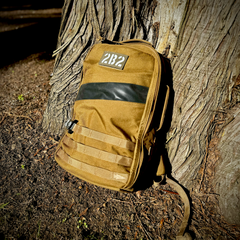
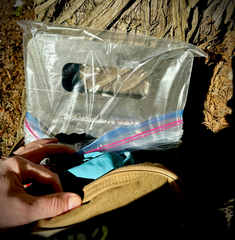
Rucking is simply the act of walking with a weighted backpack (a ruck). How is it different from hiking or backpacking? The intent. Rucking is built to improve your speed, weight-carrying capacity, endurance, or all three at once. It’s not primarily for pleasure — though it can absolutely become that once you’re adapted. How to start and progress safely are the questions most people get stuck on. What follows are the basics drawn from reputable fitness sources like GoRuck and Runner’s World, not just one person’s opinion. I’ve added a few tricks from my own experience to make the work more fun and learning-oriented and less of a dreaded workout.
Breaking In Boots and Preventing Blisters
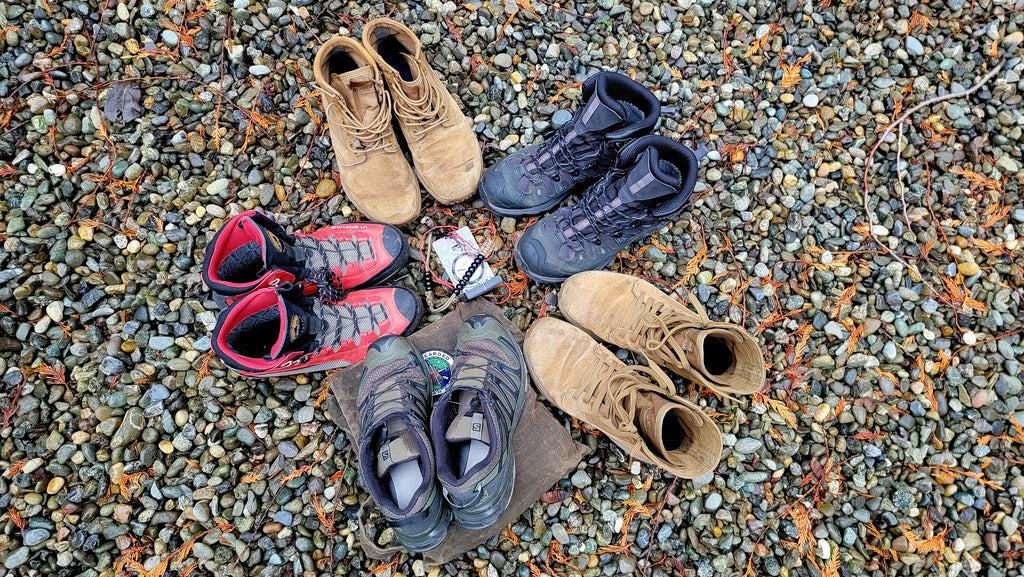
Before we get into the ruck training plan itself, a word on footwear. Quality boots and socks matter. A good fit is paramount. The brand, the fancy features, or how well they work for your buddy are unimportant. Ill-fitting footwear guarantees problems. If you have sensitive feet or have been sedentary for a while, rucking will create callouses and harden your feet and joints. That’s part of the growth process. Mild soreness is normal and expected; pain is not. Break-in new boots — especially leather — with several short, unweighted walks over a couple of weeks before loading them up for real work.
The plan below is built at a beginner level. Even people with moderate fitness, and seasoned athletes, should start here to build the specific adaptation that rucking demands. If you’re brand-new or don’t yet own a ruck, start with a walking-to-running program like Couch to 5K or Couch to 10K — free, app-delivered, and designed to take 9 to 14 weeks. Those can pair with a light rucking routine for more experienced folks, but that’s outside the scope here. Check with your doctor before starting any fitness program if you’ve been sedentary for a while or have any concerns. On to the rucking.
How to Start Rucking for Wilderness Fitness
- Weight: start with about 10% of your body weight. A 190-pound person starts with 19 to 20 pounds — including the ruck itself and any accessories like a water bottle. Don’t start heavier even if you think you can handle it. It’s fine to start lighter.
- Distance: pick a distance you can walk comfortably unweighted while holding a conversation, no breaks required.
- Speed: walking pace, continuous. This isn’t jogging, running, or a race.
- Terrain: the first 3–4 weeks, keep it smooth, even, and level. Sidewalks, local trails, high school tracks, or similarly groomed surfaces.
- Frequency: 3 times per week. Add rest days if soreness develops. If you don’t overdo weight, distance, or speed, you shouldn’t be fighting soreness. The goal is gradual improvement, not punishment.
The Progression Rules
Here’s the “magic” (it’s not magical at all):
After week 1, and every week after, add roughly 10% to weight, distance, and speed. Cap weekly weight increases at 5 pounds, and cap overall weight at 50 pounds. If any one category is giving you trouble, hold it flat and try increasing it the next week. There’s no right or wrong — increase all three at once, or advance only one. Most people can push all three categories forward somewhere between weeks 3 and 6 depending on base fitness.
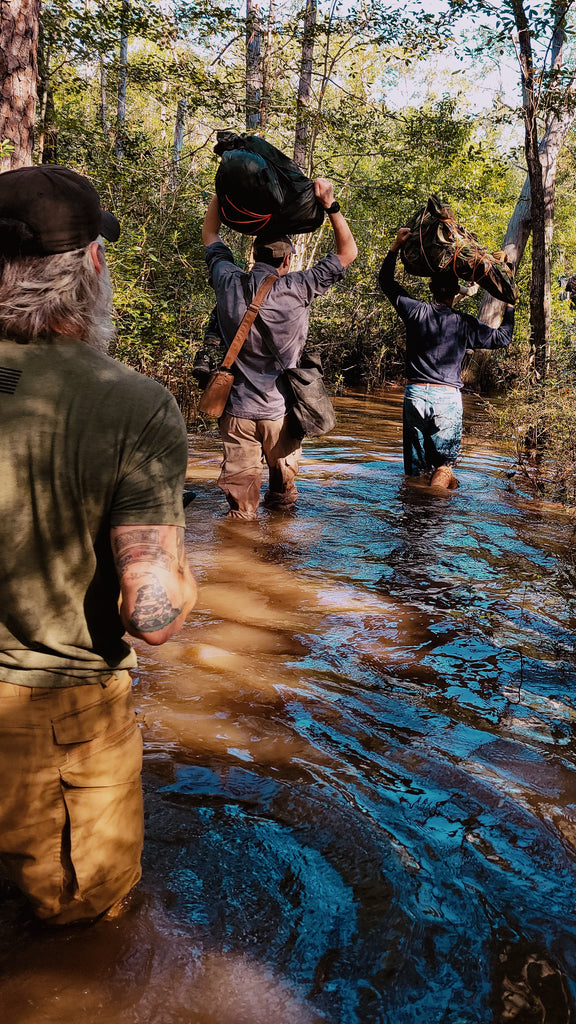
Start varying terrain at week 4 or 5. Begin with gentle hills, then add difficulty as each terrain type becomes easier. Hills, uneven trails, snow, and off-trail bushwhacking each bring their own challenges. They also strengthen the supporting muscle and connective tissue you don’t develop on pavement, and they increase cardio load. That adaptation pays off directly in land navigation, where your attention is on a compass, map, or GPS instead of your footing. Rolled ankles happen, but training on uneven ground reduces them significantly and improves overall balance and stability. In winter, snowshoeing and traction spikes are great ways to keep the program moving safely.
Ruck Training Goals: From 5K to the 12-Mile Standard
A solid general wilderness fitness goal is a 5K (3.1 miles) in under 50 minutes at 35–45 pounds. For backpacking and sustained field work, aim for 10K (6.2 miles) at 50 pounds as a repeatable standard.
For military-caliber readiness, the Army PT benchmark is a 15-minute-mile pace over 6 miles with 50 pounds minimum — a clean reference point for anyone training toward Green Beret-style field readiness. The classic 12-mile ruck many readers will recognize from special operations selection courses is 3 hours with a 35-pound load. That’s a worthy long-term target for anyone serious about wilderness fitness, and a solid diagnostic of whether you’re ready for extended time in the field carrying a real load.
Time isn’t critical for most of us, but having a number to aim at keeps progression honest. Start conservatively. Most people feel ready to increase pace around the 6- to 8-week mark under heavier loads — sooner if you already have solid base fitness. Slow progress is both better and faster than recovering from overuse pain or injury.

Keep Your PT Interesting
Rucking can be done almost anywhere with minimal gear or preparation. That alone beats a treadmill or stationary bike for most people. Pause along your route and use the ruck for squats, get-ups, and other calisthenics. Add weighted push-ups or burpees. Too easy? Carry a light sandbag to challenge your core — keep total weight under 50 pounds. Layering in land nav practice or wild-plant identification can double the return on a ruck: it distracts from the physical work and reinforces skills you’ll actually use in the field. A lot of us ruck while listening to audio books, which is another productive way to pass the time.
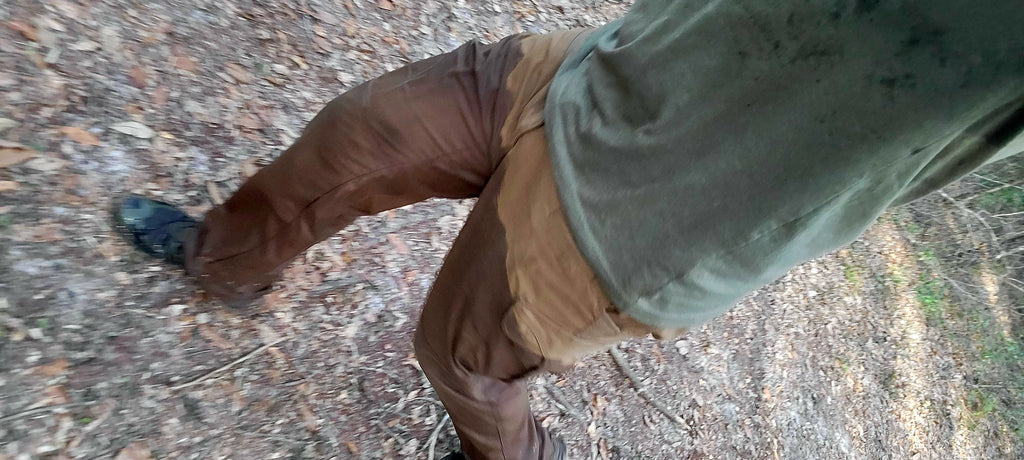
A caution on load: experienced people do carry more than 50 pounds, but exceeding that on a regular basis risks joint damage and puts dangerous stress on the lower back without proper posture and technique. Done right, rucking is actually lower impact on the joints than running — and you’re going to have to carry a loaded ruck anyway if you’re serious about wilderness readiness. Several reputable sources recommend rucking for runners specifically to strengthen joints, reduce injury, and improve run times. Most important: get creative and have fun while you build both fitness and self-reliance.
“That ruck ain’t gonna carry itself.” — Chad
I hope to see you around the campfire soon.
— Chad “2B2”

Learn to Survive
Gray Bearded Green Beret's Guide to Surviving the Wild
Hardcover · Full Color · 430 Pages · by Joshua Enyart
Surviving the Wild is the doctrine you're training to apply — physical readiness means nothing without the skills to back it up, and this book covers all of them.
The Ruck Authority
Want to Go Deeper on the Ruck Side? Train With GoRuck.
If you want to pursue rucking as its own discipline — events, gear built specifically for it, and a community of people who take ruck fitness seriously — GoRuck is the gold standard. Founded by Jason McCarthy, a fellow former Green Beret, GoRuck wrote the modern playbook on ruck-specific training and built the toughest ruck events in the country.
GoRuck builds the ruck. This article is about taking that fitness foundation into the backcountry — wilderness carry loads, uneven ground, and the work that happens when there’s no finish line.
We also carry GoRuck gear — shop the collection at GB2 →
Take It to the Wilderness
Trained With GoRuck? Now Train With Us.
GoRuck builds the ruck. We take that fitness foundation into the backcountry. Wilderness Survival, Master Navigator™, Wilderness First Aid, and more — regional live courses taught across the United States. Real ground, real instruction, no finish line.
See Upcoming Courses →Go Deeper on the GB2 Network™
Streaming video instruction on wilderness survival, bushcraft, navigation, preparedness, and more — on demand, any device.
Browse the Network →About the Instructor — Joshua Enyart
Founder & Head Instructor · Gray Bearded Green Beret
Former Army Ranger and Green Beret with three decades of professional instructor experience. Joshua’s bug out bag videos on YouTube have earned over 7 million views, making them consistently among the most watched on the subject. He trains civilians and military alike through regional live training events across the United States in wilderness survival, bushcraft, navigation, preparedness, and wilderness medicine.