Bushcraft and Survival Firecraft Gear, Tested in the Field
Fire is the one survival priority that fails the most students under stress — not because they don't own fire-starting gear, but because they own the wrong gear for the conditions they actually face. The Best Bushcraft and Survival Firecraft Gear collection is built around a simple standard: every tool here has been used to start fires in wet, cold, wind-driven, and high-altitude conditions by Special Forces veteran and survival instructor Joshua Enyart and the students who train with him across the regional NE, SE, NW, and SW US live training events.
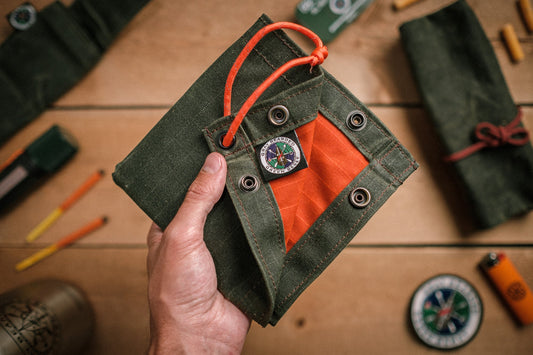
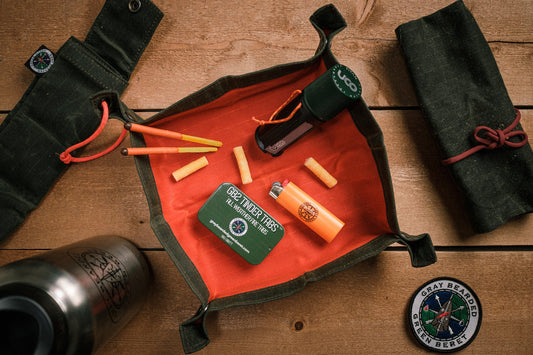
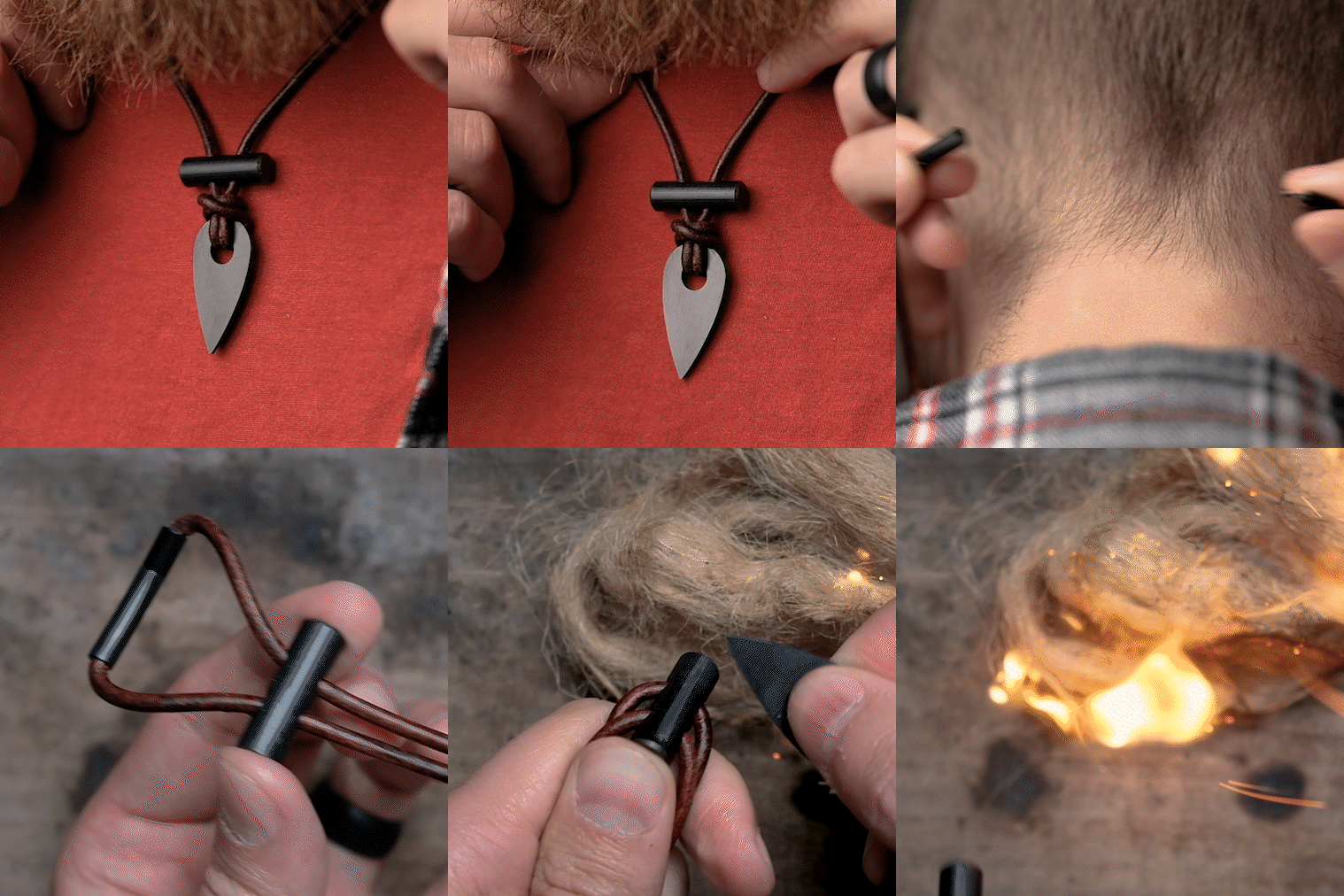
You'll find ferrocerium rods sized for cold, gloved hands; tinder that lights wet; backup ignition you can trust when your primary fails; and the small accessories — striker tools, tinder cases, fatwood, char cloth — that turn "I have a ferro rod somewhere in my pack" into "I have fire in under sixty seconds." This isn't a category for novelty fire pistons or single-use survival matches. It's the gear you'd want to be carrying at 11 PM, in the rain, when your hands are cold and the situation isn't getting better on its own.
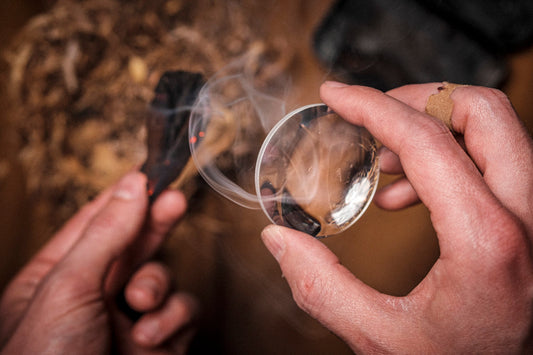
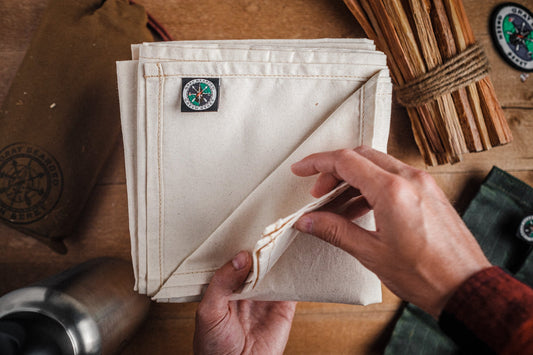
A practical note on building a fire kit. Plan on three layers: a primary ignition source you can run blindfolded, a secondary backup in a separate pocket or compartment from your primary, and pre-prepared tinder that doesn't depend on the environment to light. Pre-prepared tinder is the variable most fire kits get wrong. In dry conditions you can find natural tinder almost anywhere; in wet conditions you need tinder you've prepared at home and packed in waterproof storage. Fatwood, char cloth, petroleum-jelly cotton balls, and commercial tinder products all earn their place in the collection here.
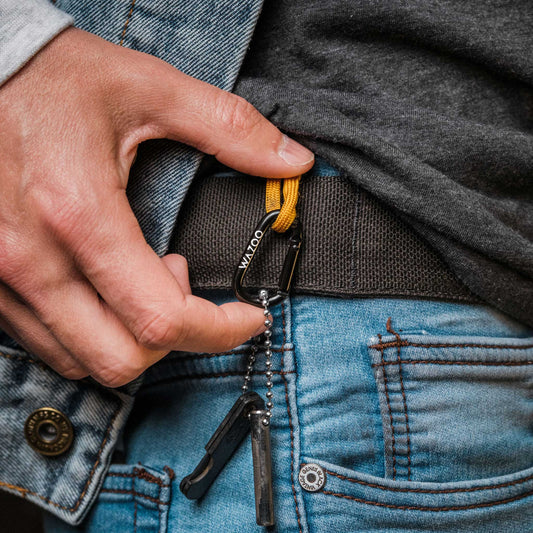
On ferro rod selection: the most common mistake is buying a rod that's too small. A rod that fits comfortably in a key chain is not a rod you'll use to start a fire in winter conditions with cold hands. Step up at least one size from what looks reasonable in a photograph. The thicker the rod, the more material per strike and the more forgiving the technique can be when you're under stress.
On lighters: a ferro rod is your primary, but a quality lighter is a perfectly legitimate backup. The mistake is treating a lighter as your primary system, then losing fire capability the moment the lighter fails or runs dry. Carry both, separately.
For the broader skill behind the gear, see the Bushcraft Skills Course Gear collection and the Top-Rated Live Training Events collection — every Bushcraft Skills student is sent into the woods with a fire problem to solve, and the gear here is what gets handed to them when their first attempt fails.
The short version: three layers, the right size, the right tinder, practiced cold. Fire is a skill, not a product.

 Sold out