1
/
of
3
Round Military Protractor: Accurate Land Navigation and Map Reading Tool
Round Military Protractor: Accurate Land Navigation and Map Reading Tool
Regular price
$7.99 USD
Regular price
Sale price
$7.99 USD
Unit price
/
per
Shipping calculated at checkout.
Couldn't load pickup availability
Product Highlights
Product Highlights
Diameter: 5 inches
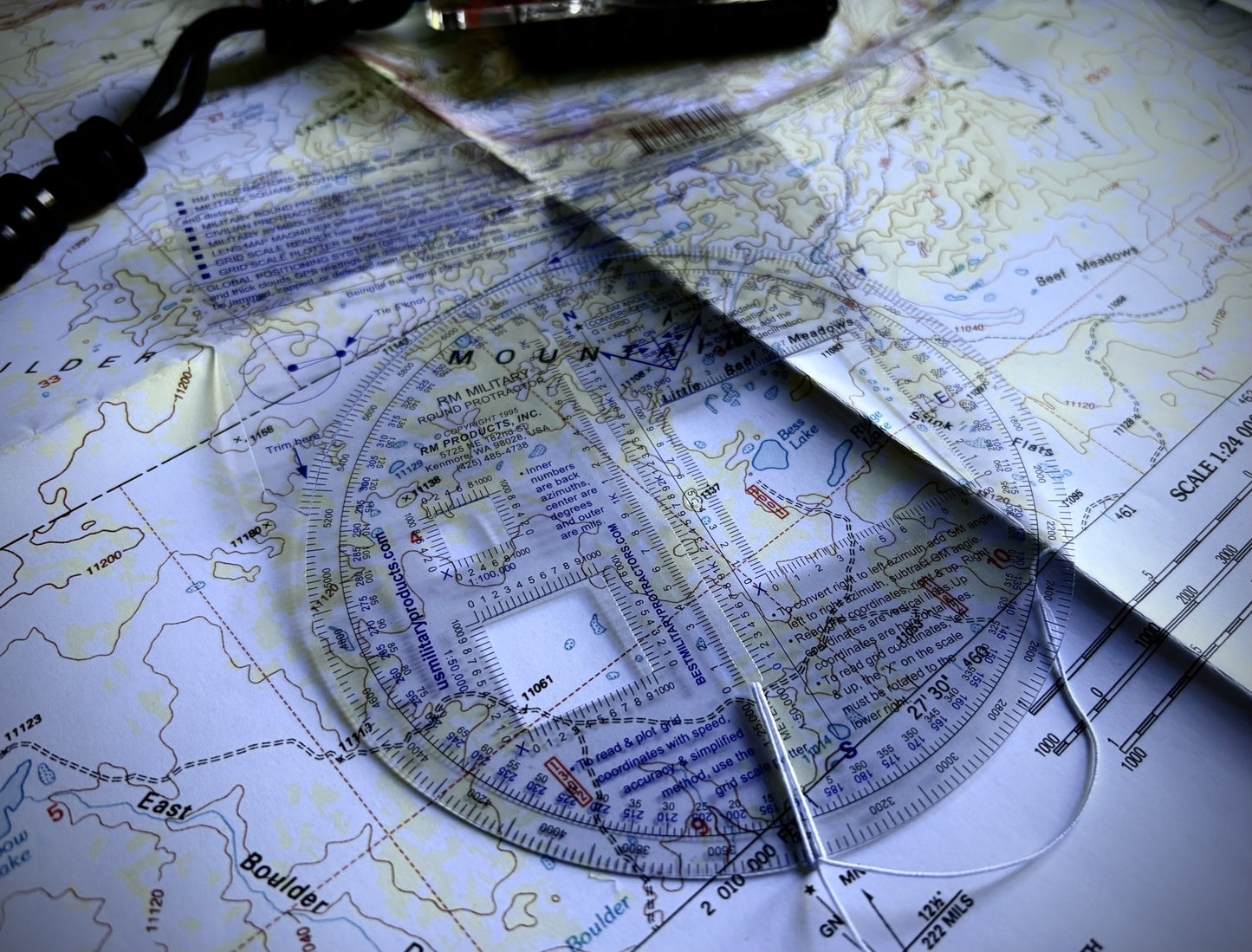
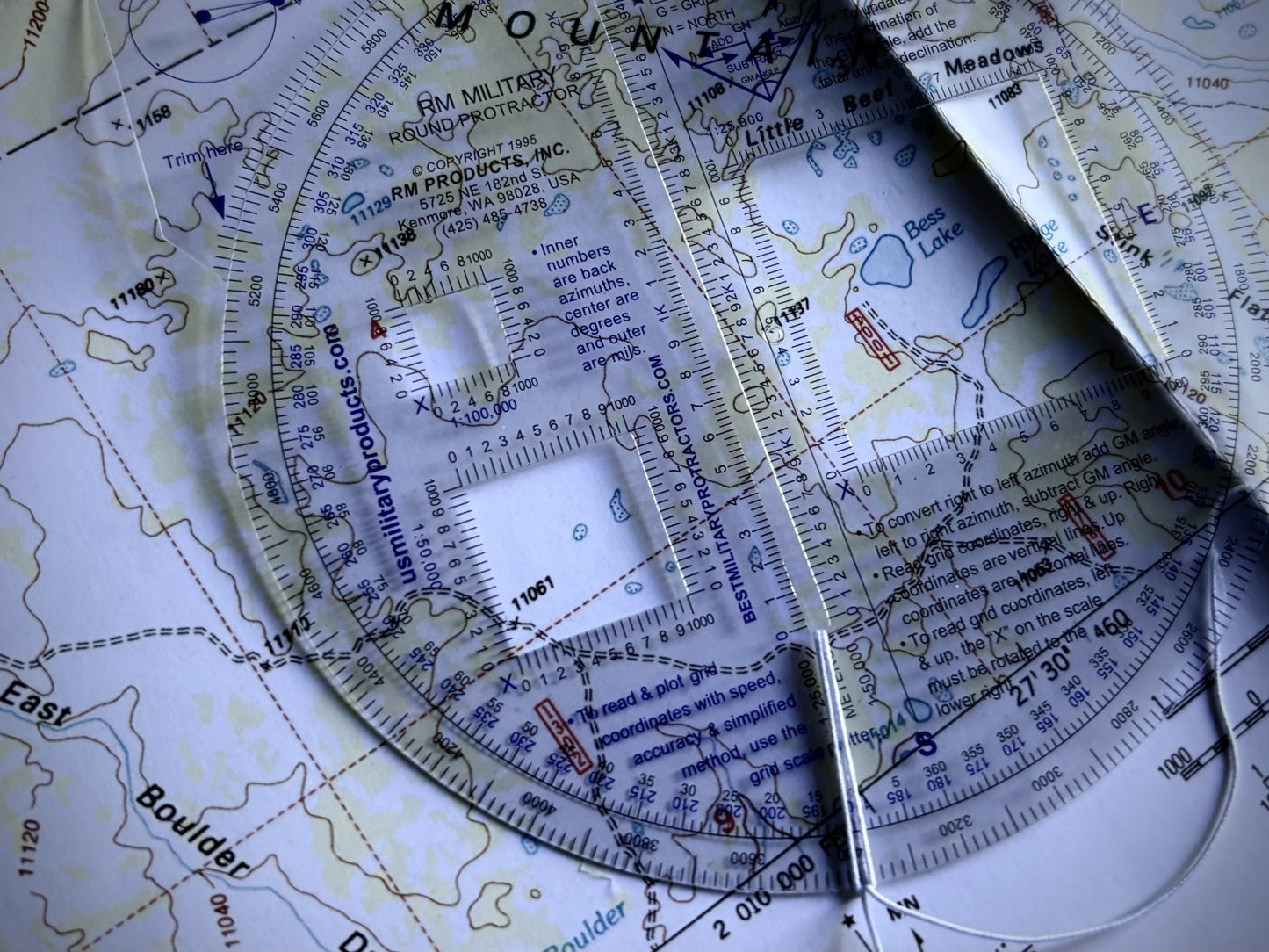
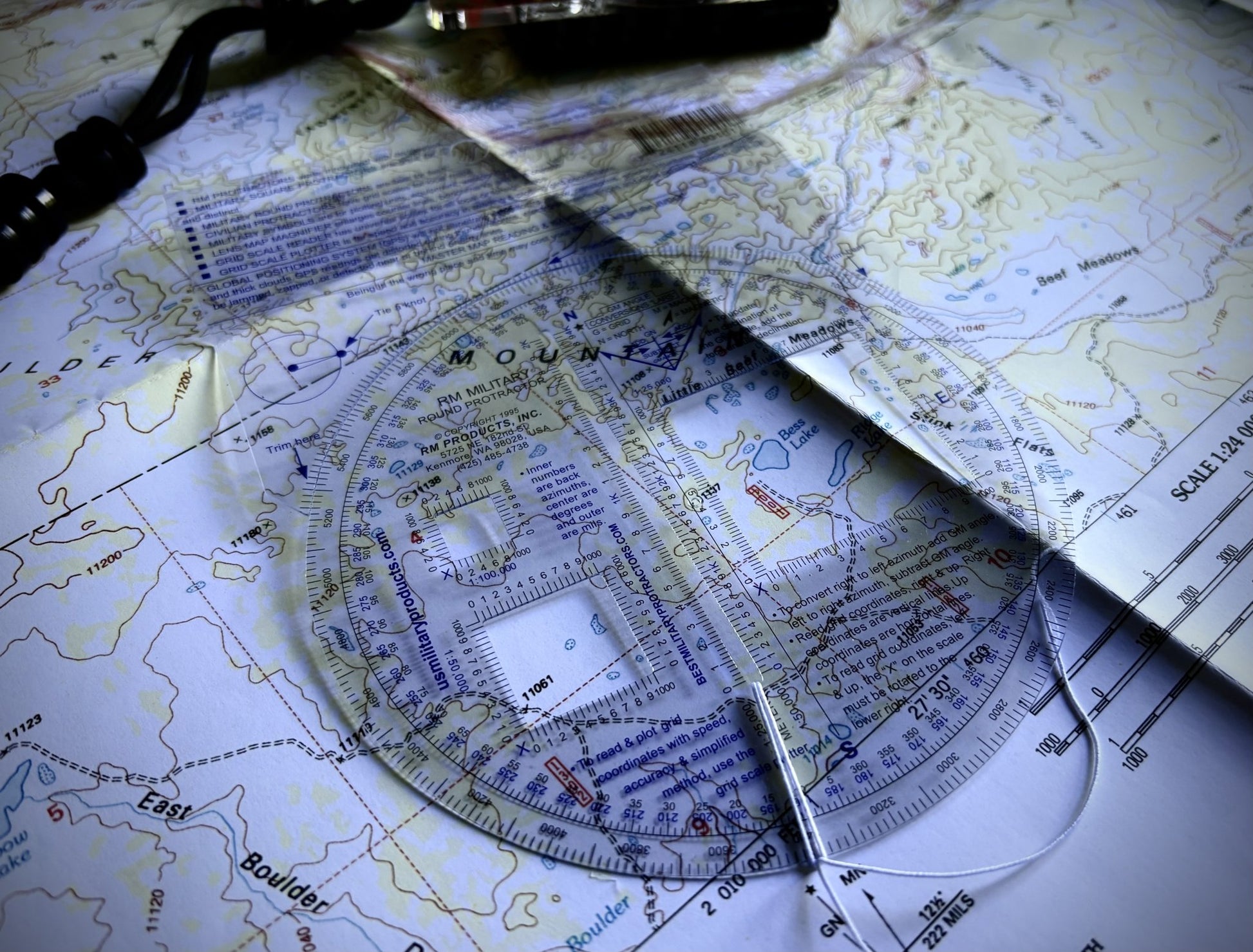
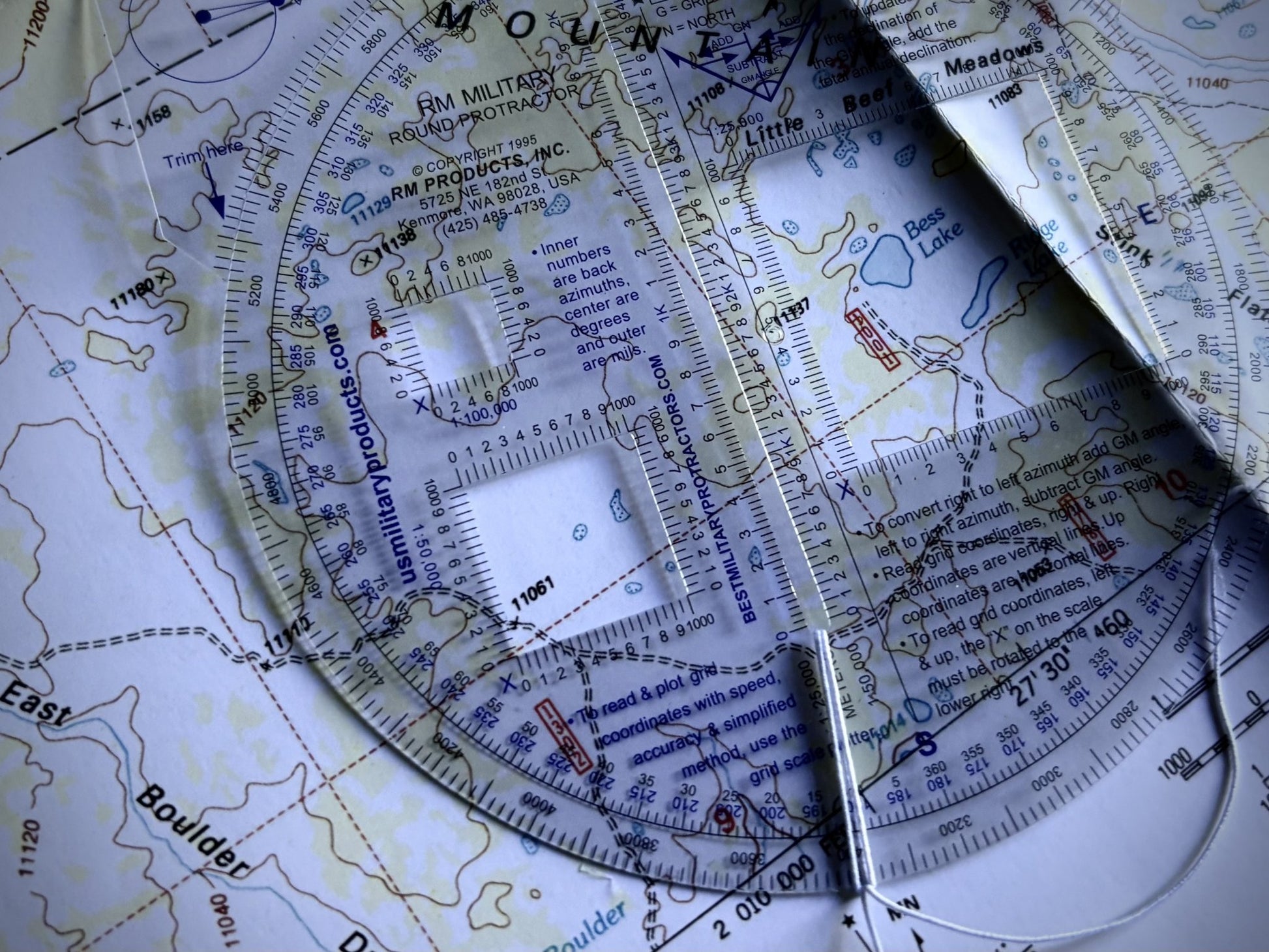
Scales: 1:25k, 1:50k, 1:100k UTM/MGRS
Edge Measurements: MILs and Degrees
Weight: 0.4 ounces
Included: String for added utility
Round Military Protractor: Ultimate Map Reading and Land Navigation Tool
Master the art of map reading and land navigation with the Round Military Protractor, an indispensable tool for outdoor enthusiasts, military personnel, and survivalists alike. Engineered for precision and reliability, this protractor is your trusted companion for navigating the great outdoors and ensuring accurate plotting in any environment.
Why Choose the Round Military Protractor?
- Precision Navigation: Effortlessly plot grid coordinates, determine direction, and calculate distances with unmatched accuracy.
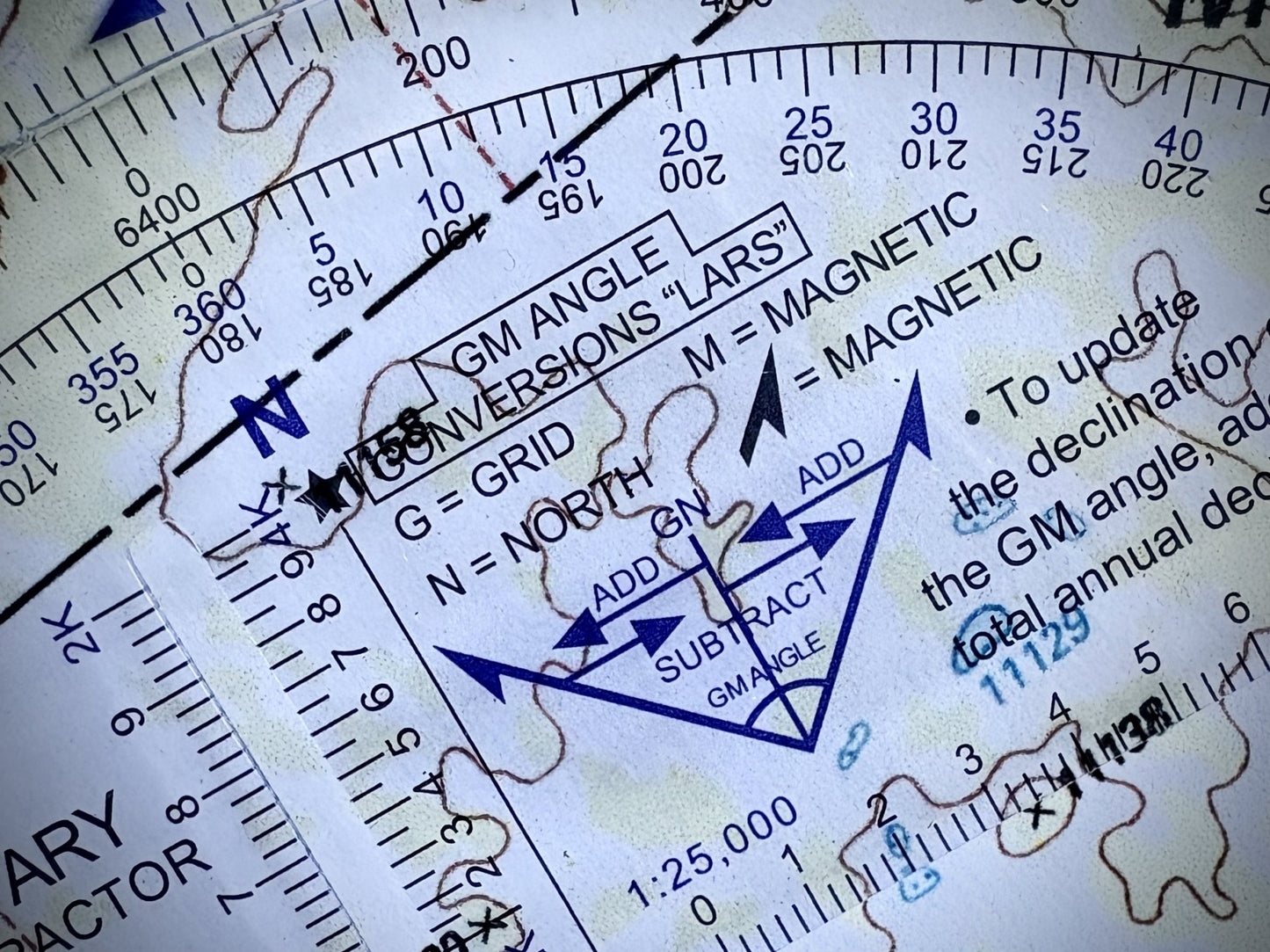
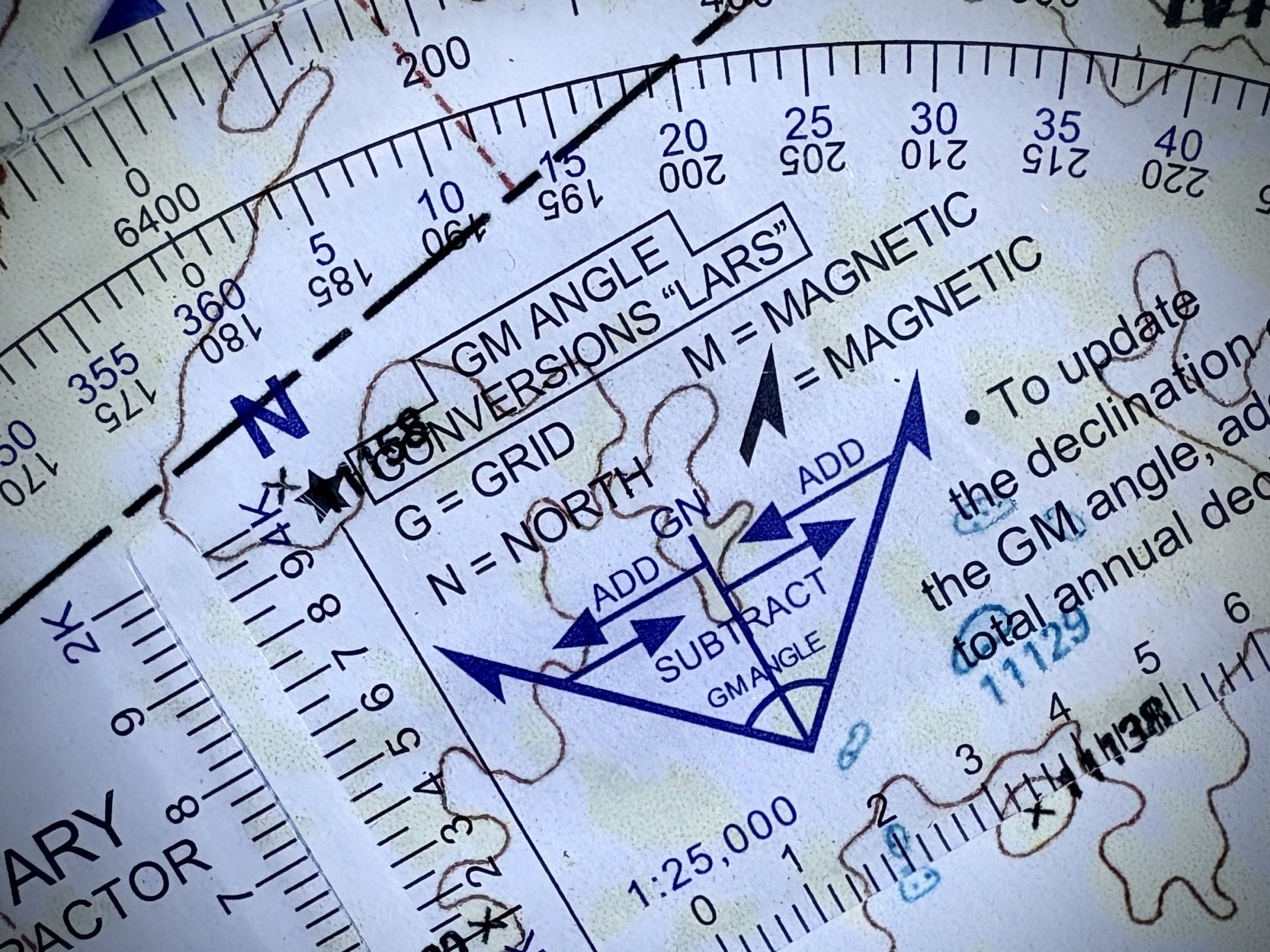
- Integrated GM Angle Conversion: Includes a printed formula (LARS) for easy conversion between grid north and compass magnetic north, eliminating the need for guesswork.
- Durable and Portable: Built to withstand rugged conditions, its lightweight, 5-inch circular design fits easily in your backpack or pocket for quick access.
Features and Benefits
Designed for Accurate Map Reading
- Scales for 1:25k, 1:50k, and 1:100k UTM/MGRS, ensuring compatibility with a wide range of topographic maps.
- MILs and Degree Edge Scales for precise direction finding and angle measurements.
- String Attachment: Included for practical use in the field.
Built for Reliability
- Printed GM Angle Conversion Diagram: Saves time and minimizes errors by providing essential formulas directly on the protractor.
- GTA 5-2-12 Standard (2006): Meets military specifications for accuracy and functionality.
Compact and Lightweight
- Weighing just 0.4 ounces, this protractor is ultra-portable, ensuring it’s always ready when you need it.
Who Should Use the Round Military Protractor?
- Adventurers: Navigate confidently on hiking, camping, or backcountry trips.
- Military Professionals: Trusted by those who need precise tools for critical missions.
- Outdoor Enthusiasts: Enhance your navigation skills with this reliable and versatile protractor.
- Survivalists and Preppers: Ensure accurate navigation when electronic devices fail.
Specifications
- Diameter: 5 inches
- Scales: 1:25k, 1:50k, 1:100k UTM/MGRS
- Edge Measurements: MILs and Degrees
- Weight: 0.4 ounces
- Included: String for added utility
Share