

Wilderness Survival Certification — Multi-Course GB2 Program
Wilderness Survival Certification — Multi-Course GB2 Program
Choose Date and Location:
Choose Options:
Couldn't load pickup availability
Wilderness Survival Certification — The Complete GB2 Multi-Course Program
The GB2 Wilderness Survival Certification is the most comprehensive field training program Gray Bearded Green Beret offers for students looking to master their own wilderness skills. Six courses, 28 days of instruction, and a structured progression that takes you from modern gear dependence through bushcraft and primitive skills to complete nature-reliance. It covers wilderness survival, bushcraft, winter survival, primitive skills, land navigation, and wilderness medicine — in any order, on your schedule, with no expiration on your tuition. Students who complete all six earn the GB2 Wilderness Survival Certification: a patch and formal certificate recognizing demonstrated competence across the full curriculum.
If you've been thinking about taking multiple GB2 courses anyway, the program saves $1,124 off the combined individual course prices — and includes the tracking and certification administration that comes with completing a multi-course credential.

Learn to Survive
Hardcover · Full Color · 430 Pages · by Joshua Enyart
Surviving the Wild is the recommended curriculum reference for certification students — 430 full-color pages covering the complete skill set across the same progression you'll work through in the GB2 Wilderness Survival Certification.
Get the Book →Tuition and Savings

Purchasing the program saves $1,124 off the combined cost of the six individual courses. The discount reflects the commitment of enrolling in the full program — and includes the certification administration, tracking, and patch and certificate that come with completing the credential. Individual courses remain available for purchase separately for students who aren't ready to commit to the full program.
What the Program Includes
The six courses that make up the certification program represent the full breadth of the GB2 curriculum. Each one is a standalone field course that can be taken independently — but together, they form a progression that systematically closes every significant gap in a person's outdoor skill set.
Wilderness Survival Course — 4 Days
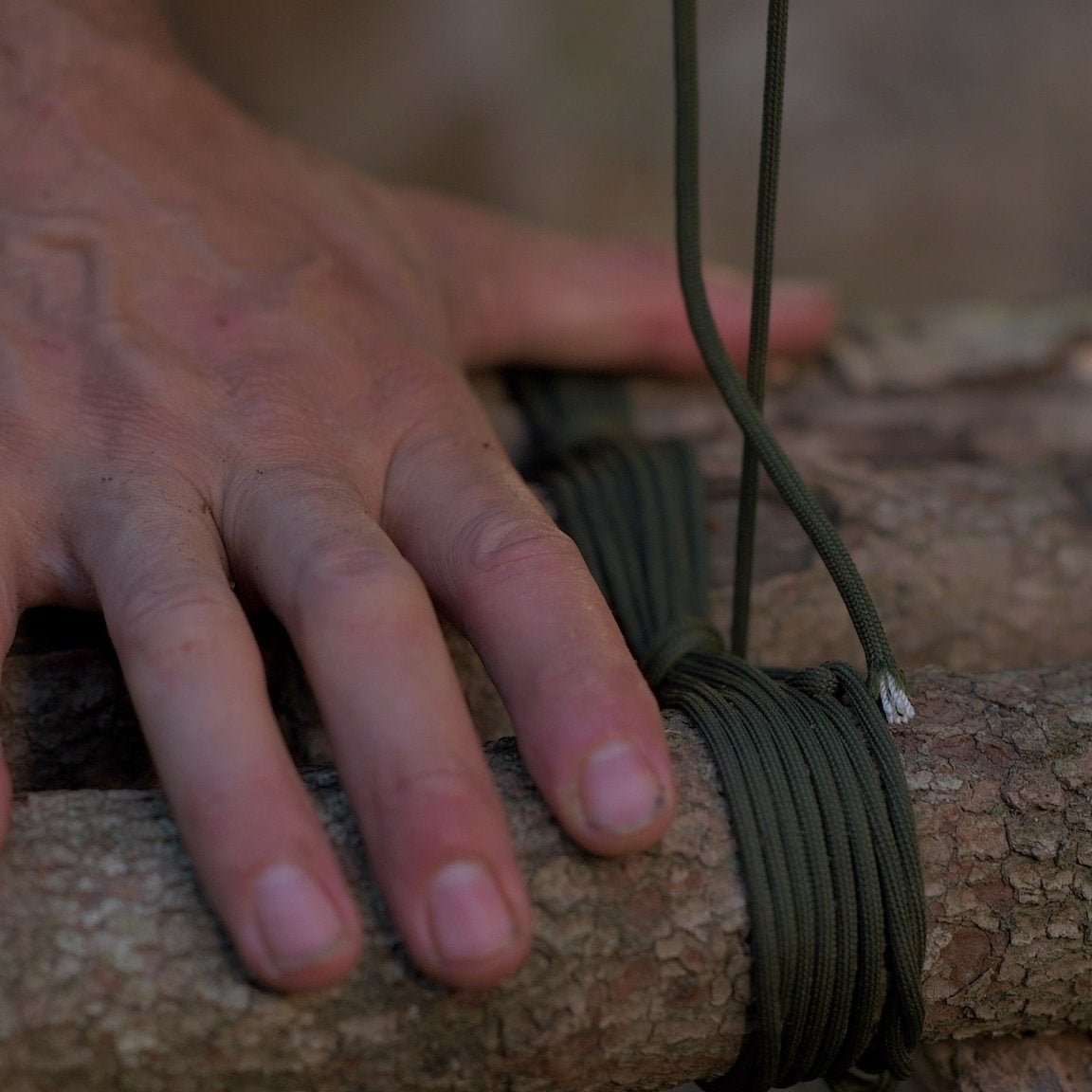
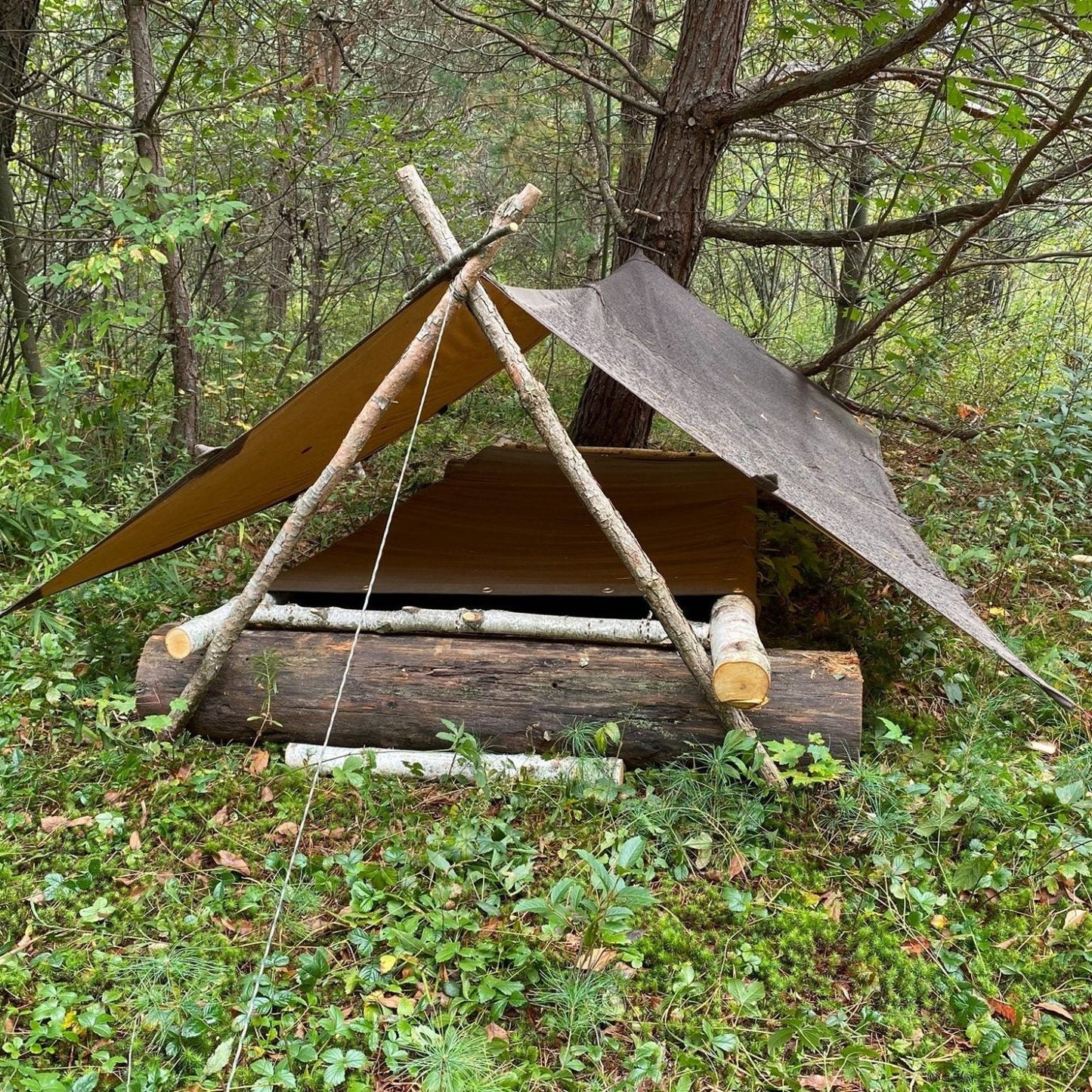
The foundation of the program. This is where the 8 Survival Priorities framework is introduced, along with the fire craft, shelter construction, water procurement, emergency signaling, knot work, tool handling, and basic wilderness first aid that every backcountry traveler needs. The crawl-walk-run instructional model means you demonstrate each skill in real field conditions before moving on — not in a classroom, not watching a video, but in the dirt with an instructor watching. Students sleep in shelters they built themselves over 3 nights in the field. Full details: Wilderness Survival Course.
Bushcraft Skills Course — 4 Days
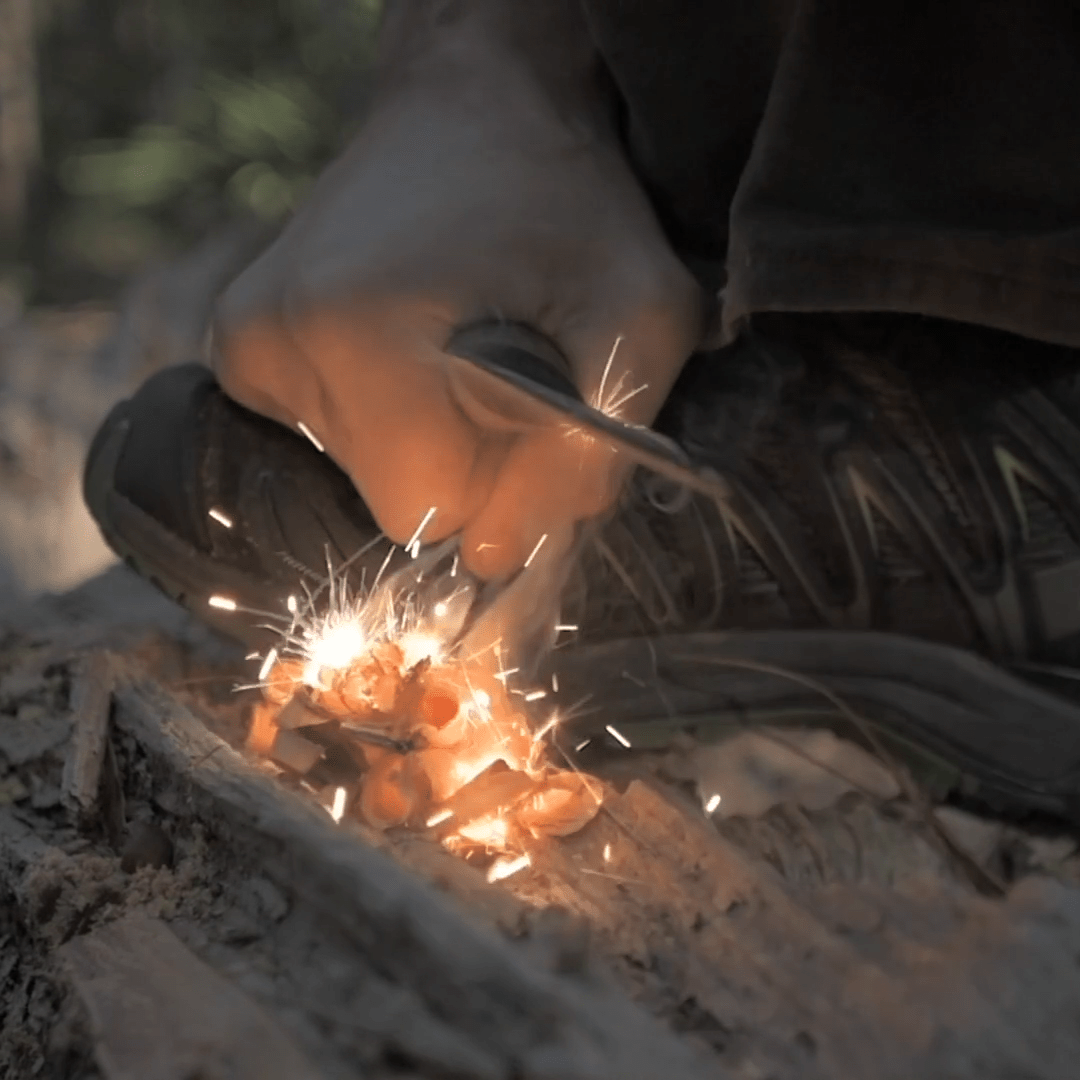
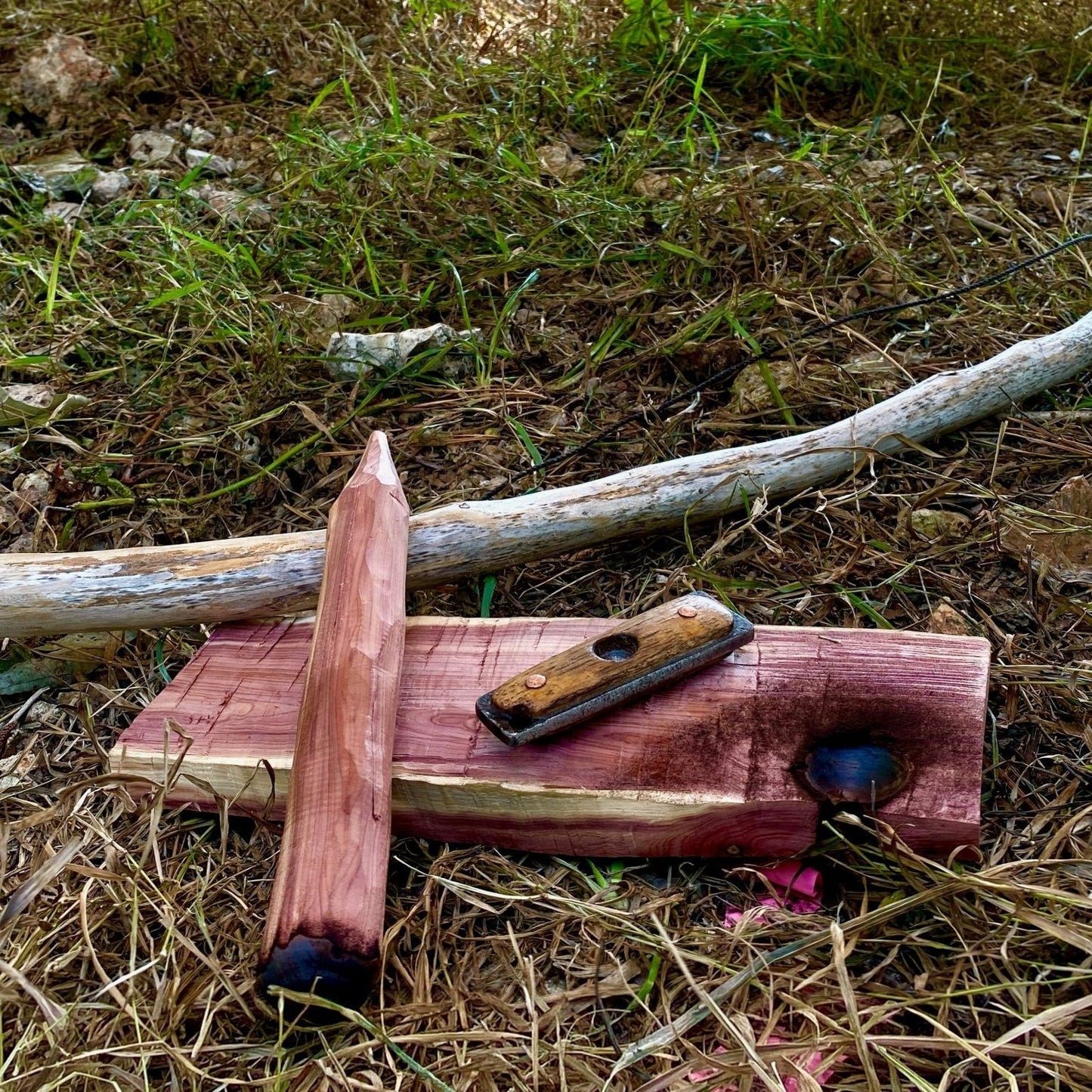
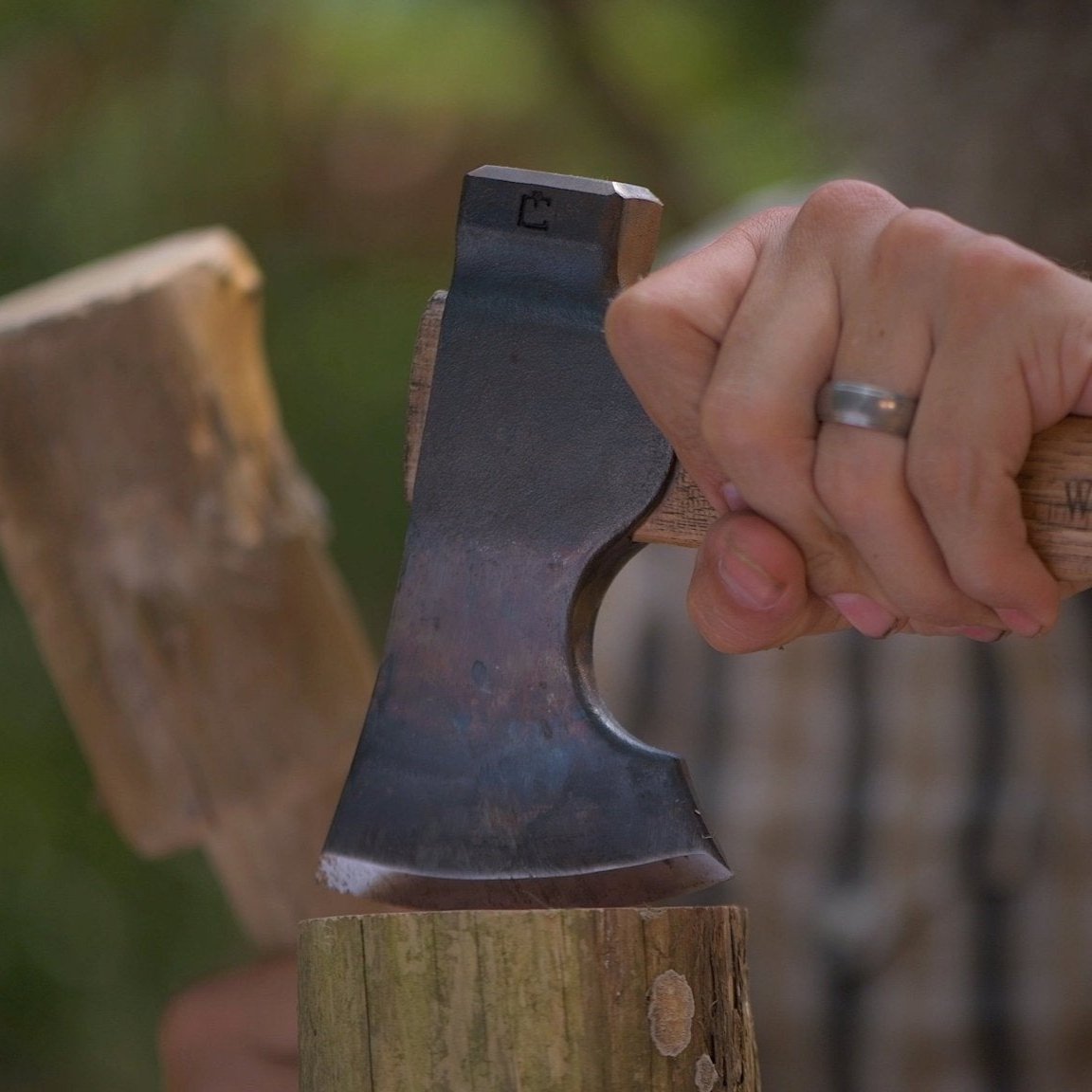
Bushcraft builds directly on the survival foundation, shifting the emphasis from kit-dependent skills to natural material use. This is where you learn to work with what the land gives you — bow drill friction fire, cordage from plant fiber, natural tinder and fire lay construction, carving, and camp implements made from wood. By the end of this course you're doing with natural materials and traditional techniques what you previously needed manufactured gear to accomplish. Full details: Bushcraft Skills Course.
Winter Survival Course — 4 Days
A separate environment requires a separate course. Winter introduces hazards — hypothermia, frostbite, travel in snow, reduced caloric efficiency, compromised water sources — that demand a different skill set than temperate survival training. Four days in a cold-weather field environment cover snow shelter construction, cold-weather fire challenges, winter water sourcing, layering systems for extreme cold, and navigation in snow-covered terrain where trails and landmarks disappear. This is the highest-consequence environment in the program. Full details: Winter Survival Course.
Primitive Survival Course — 4 Days
The advanced stage of the program. No modern tools, no modern materials — the Primitive Survival Course is a knife-only immersion in traditional skills developed over thousands of years. Friction fire, primitive shelters, stone and bone tool making, primitive trapping, and natural cordage manufacture are covered in a field environment where the only safety net is your instructors and the skills you've built in prior courses. Most students find this the most demanding course in the program, and the most rewarding. Full details: Primitive Survival Course.
Master Navigator™ Course — 4 Days
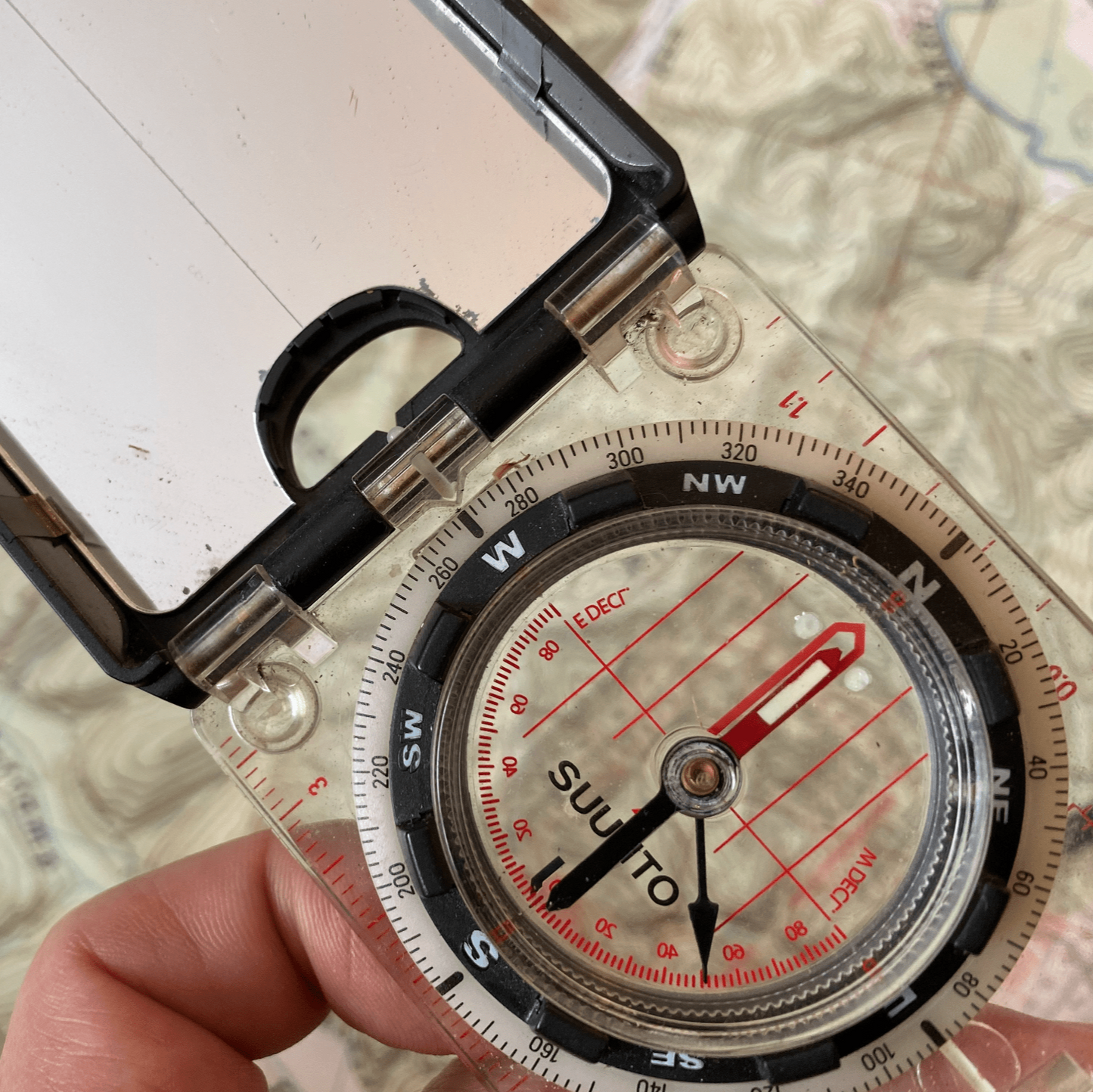
Navigation is the survival skill most often separated from survival training, which is a mistake. The Master Navigator™ Course covers map reading, terrain association, azimuth plotting, pace counting, and land navigation in field conditions — using map and compass, not GPS. Four days of structured instruction and field exercises produce students who can determine their position, plan a route, and execute that route across unfamiliar terrain without digital assistance. For students who want to study navigation principles before attending, the Master Navigator™ PDF Series covers the full curriculum across 8 structured study guides. Full course details: Master Navigator™ Course.
Wilderness First Responder Course — 8 Days
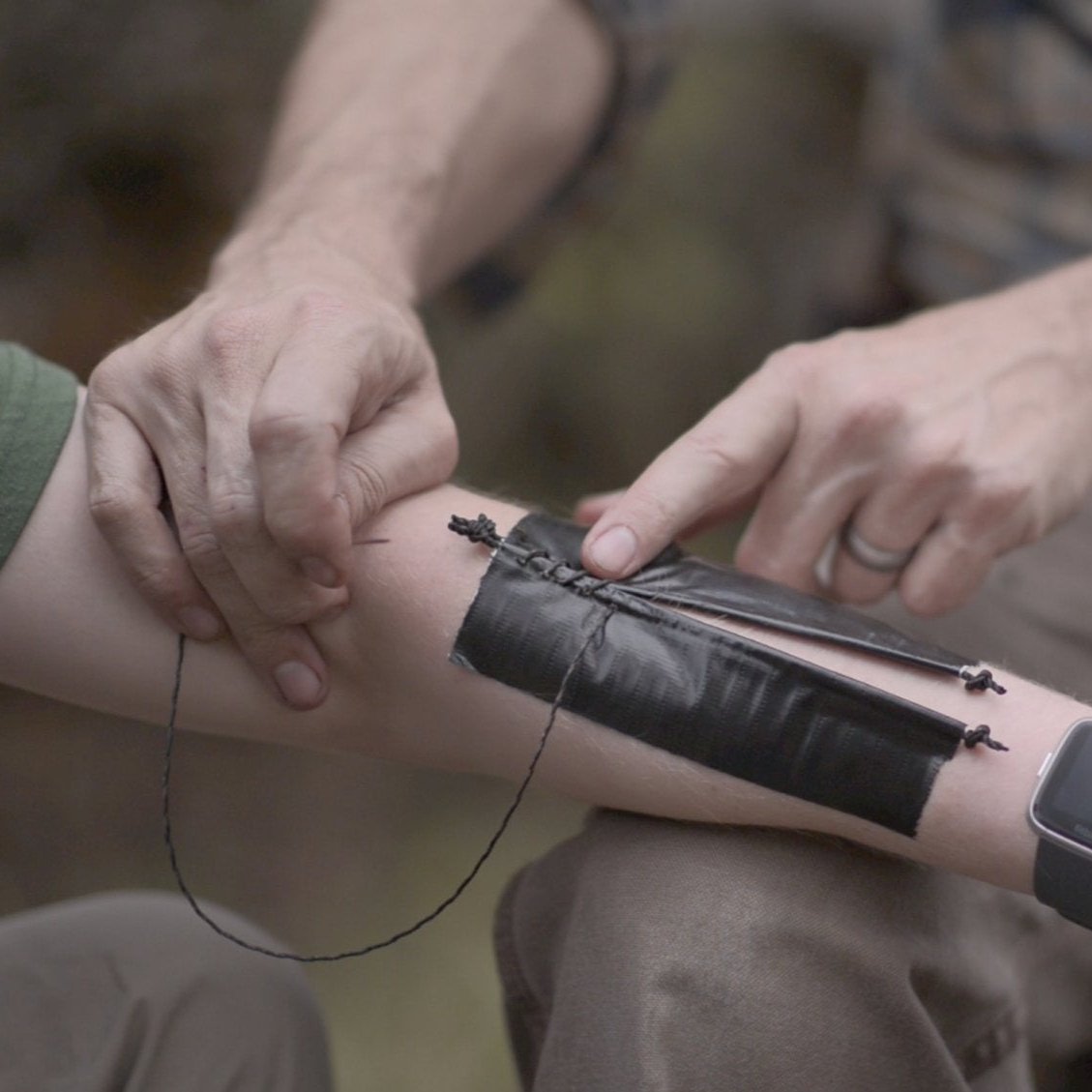
The medical capstone of the program. Eight days of wilderness medicine training covering patient assessment, trauma management, wound care, improvised splinting, anaphylaxis, altitude illness, hypothermia and hyperthermia, drowning and submersion, and evacuation decisions. The SOLO Wilderness First Responder certification is one of the most respected credentials in backcountry medicine — recognized by most national parks, guide services, and expedition programs as a meaningful qualification. Students who complete this course graduate with a 3-year SOLO WFR certification. Full details: Wilderness First Responder Course.
The Training Progression
The six courses aren't just six separate programs stacked together. Each one is a live course through which the GB2 System of Training™ delivers its curriculum — a system that meets students where they are as modern humans reliant on gear, and moves them toward self- and nature-reliance. Joshua developed this progression across three decades of professional instruction. The GB2 System of Training™ moves you through three stages of competence, each more demanding than the last.
The first stage is modern gear proficiency. You learn the 8 Survival Priorities framework with full kit — the tools and supplies you'd actually carry in the backcountry. This is the Wilderness Survival Course. You're building baseline competence and confidence with reliable equipment so you understand what the skills are supposed to accomplish before you start removing the gear that makes them easier.
The second stage transitions from kit dependence to natural resource use. Bushcraft, winter survival, and navigation all belong here in different ways. You're doing the same things — building fire, making shelter, moving across terrain — but with progressively less reliance on modern tools and manufactured materials. By the end of this stage you can operate in most environments with a minimal kit.
The third stage is complete nature-reliance. The Primitive Survival Course removes modern tools entirely. You're working with knife, cordage, and natural materials only — which means everything you do has to be built from what the environment provides. This is the hardest stage, and it's designed to be. Students who reach it have already spent at least 12 days in the field in prior courses, and they need that foundation before attempting primitive skills in earnest.
The Wilderness First Responder course runs parallel to this progression. Medical competence doesn't belong at the end — it belongs throughout. But certifying through WFR early in your training ensures you're a safer student and a safer field partner for everyone around you for the duration of the program.
Scheduling and Program Flexibility
The certification program is designed to be completed on your schedule. There's no expiration date on your tuition, no required sequence (courses can be taken in any order, though the progression above is recommended), and no deadline for completion. Most students complete the survival certification over one to three years, attending one or two courses per season as schedules and course availability align.
Students who have already completed one or more courses in the program are eligible to enroll in the certification bundle and receive credit for those courses — no conditions and no timeframe restrictions. Any course that is part of this bundle counts. Contact us directly for a custom invoice reflecting your prior coursework: email info@graybeardedgreenberet.com or use the chat feature on the website.
Because of the deep discount and the administrative overhead involved in tracking students through a multi-course credential program, this bundle is non-refundable. That's disclosed upfront so there's no confusion — what you're purchasing is a commitment to the full program at a significant savings over individual course pricing.
Instructor Credentials and Safety Infrastructure
Every course in the program is run under the same safety and instructional standards Joshua Enyart established when he built the GB2 curriculum. All instructors hold CPR/AED certification and are Wilderness First Responder certified at minimum. Every course site operates with an on-site Medic Station, a dedicated medic, and Search and Rescue staff. The program is fully insured, and every safety protocol reflects what responsible field instruction looks like when the curriculum actually pushes students into challenging conditions.
Joshua's background — Former Army Ranger and Green Beret with three decades of professional instruction — informs every curriculum decision in the program. The 8 Survival Priorities framework, the crawl-walk-run instructional model, and the requirement to demonstrate skills in real field conditions before advancing aren't marketing language. They're the methodology Joshua was trained in and trained others in throughout his service, carried directly into the GB2 civilian curriculum.
Supporting Study Resources
Students who want to study between courses or prepare before attending will find resources built on the same framework as the live curriculum. The Master Navigator™ PDF Series covers the navigation curriculum across 8 parts. And Joshua's field manual Surviving the Wild — 80,000 words of field-tested survival methodology — is used by many GB2 students as a primary reference alongside their course attendance.
The GB2 Network™ hosts two video instructional series that map directly to courses in this bundle. The Master Navigator™ Course Instructional Series covers the navigation curriculum in structured video format — useful both as preparation before the live course and as a review resource after. The Wilderness Medical Course Instructional Series covers wilderness medicine principles and field techniques, and pairs directly with the WFR course in this bundle.
Frequently Asked Questions
What courses are included in the Wilderness Survival Training Program?
The Wilderness Survival Training Program bundles all six core GB2 courses into one comprehensive pathway: the 4-Day Wilderness Survival Course, 4-Day Bushcraft Skills Course, 4-Day Winter Survival Course, 4-Day Primitive Survival Course, 4-Day Master Navigator Course, and 8-Day Wilderness First Responder Course. That's 28 days of field training across every major survival discipline — survival fundamentals, bushcraft, cold-weather operations, primitive skills, land navigation, and wilderness medicine.
What do I earn when I complete the program?
Students who complete all six courses earn the GB2 Wilderness Survival Certification — a recognition of assessed, demonstrated competency across the full GB2 curriculum. Graduates receive a certification patch and formal certificate. This isn't a participation credential — it reflects completion of 28 days of hands-on field training across every core discipline.
Do I have to complete the courses in a specific order or on a set schedule?
No. The program is self-paced with no expiration on your tuition — you complete courses at your convenience and in any order that works for your schedule. This is intentional: the GB2 System of Training is designed to allow practice time between courses so skills build on each other progressively. One thing to note: due to the deep discount and the additional staff time required to track students through a self-paced program, this bundle is non-refundable.
What is the GB2 System of Training and how does it apply to this program?
The GB2 System of Training™ is a structured progression from modern reliance to complete nature-reliance: foundational skills start with modern gear to meet basic needs; intermediate skills transition toward natural resources and reduced gear dependence; advanced skills achieve full self-reliance using only what the land provides. The six courses in this program map directly to that progression — starting with the foundational Wilderness Survival Course and building toward the Primitive Survival Course, where you arrive with nothing but the clothes on your back.
How much do I save compared to purchasing the courses individually?
The Wilderness Survival Training Program saves you $1,124 off the combined individual course prices. It's the most cost-effective way to work through the complete GB2 curriculum.
What safety infrastructure is in place across GB2 field courses?
All GB2 courses operate under comprehensive insurance coverage with dedicated on-site medic and search and rescue staff at every event. Every GB2 instructor holds a minimum of CPR/AED and Wilderness First Responder certification. The full program is developed and supervised by Joshua Enyart — former Army Ranger and Green Beret with decades of field instruction experience.